
English, Communication
and Expression
At Aurochild, English is not treated as a subject that is finished after exams. It is treated as a life skill.
We build it early, practise it daily, and strengthen it year after year so students can speak with clarity, read with confidence, and express themselves without fear.
In India, English often becomes the bridge to higher education, interviews, and professional growth. We work early so our students do not face that gap later.
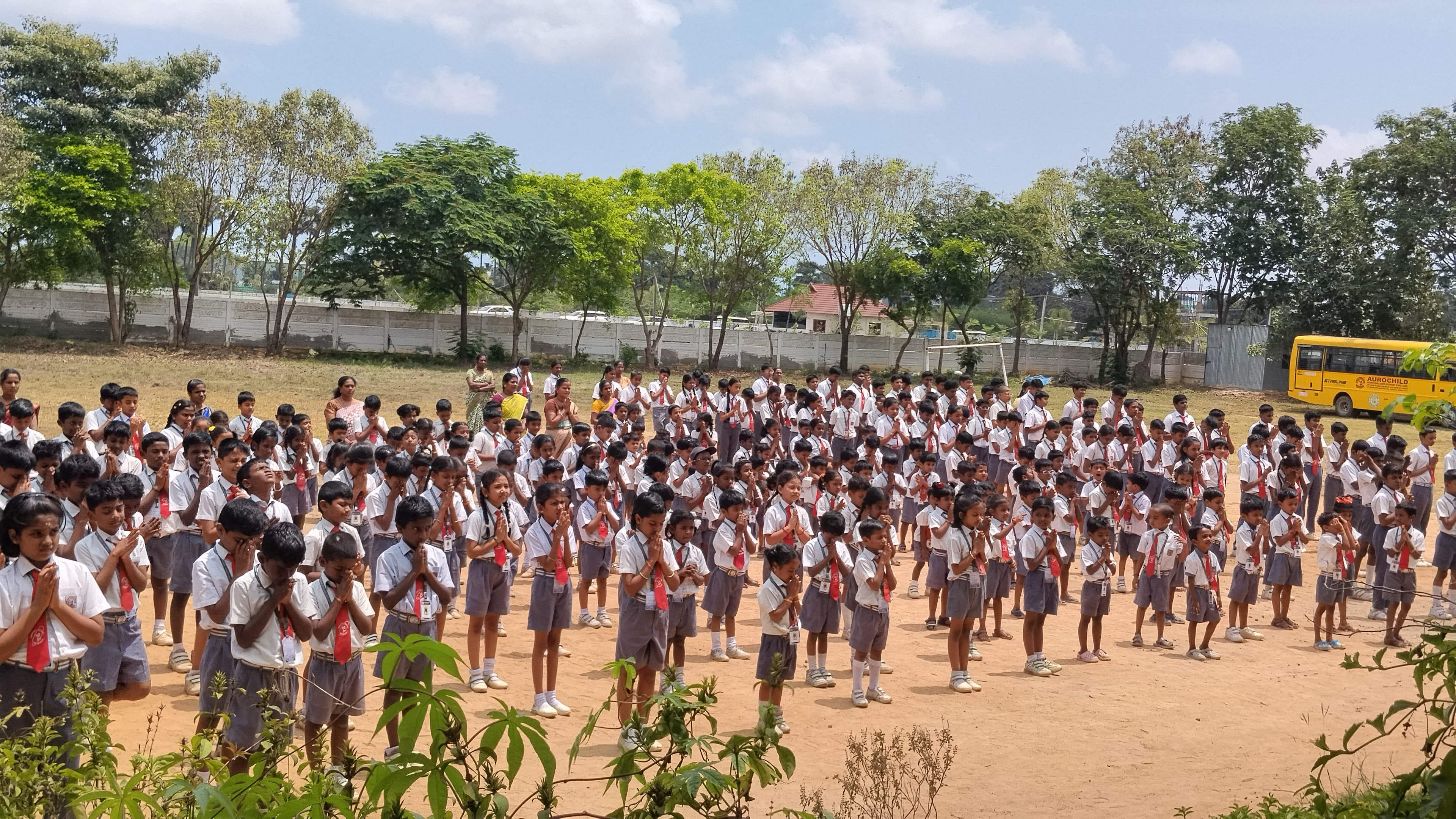 Speaking Confidence
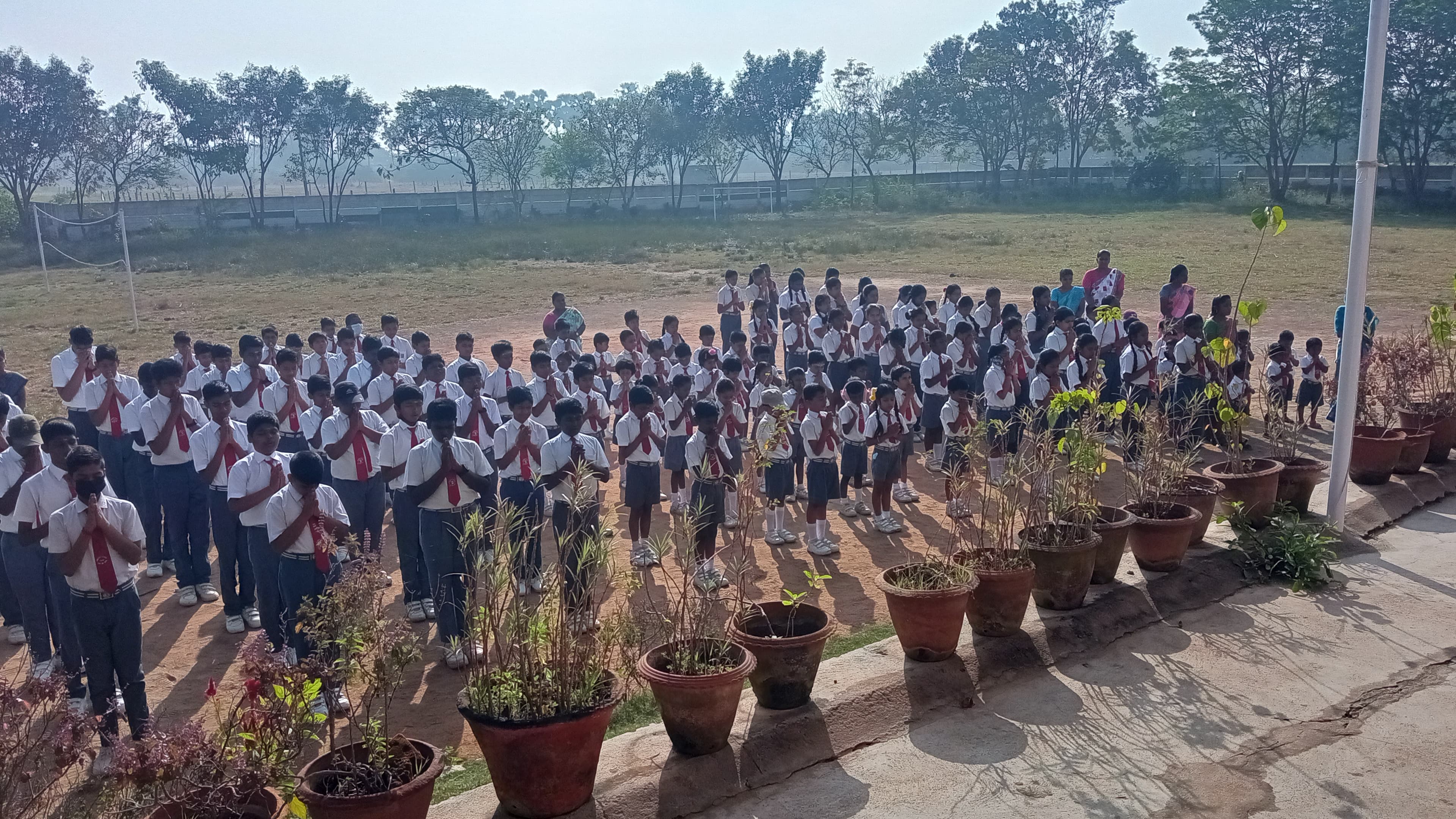 Daily Practice
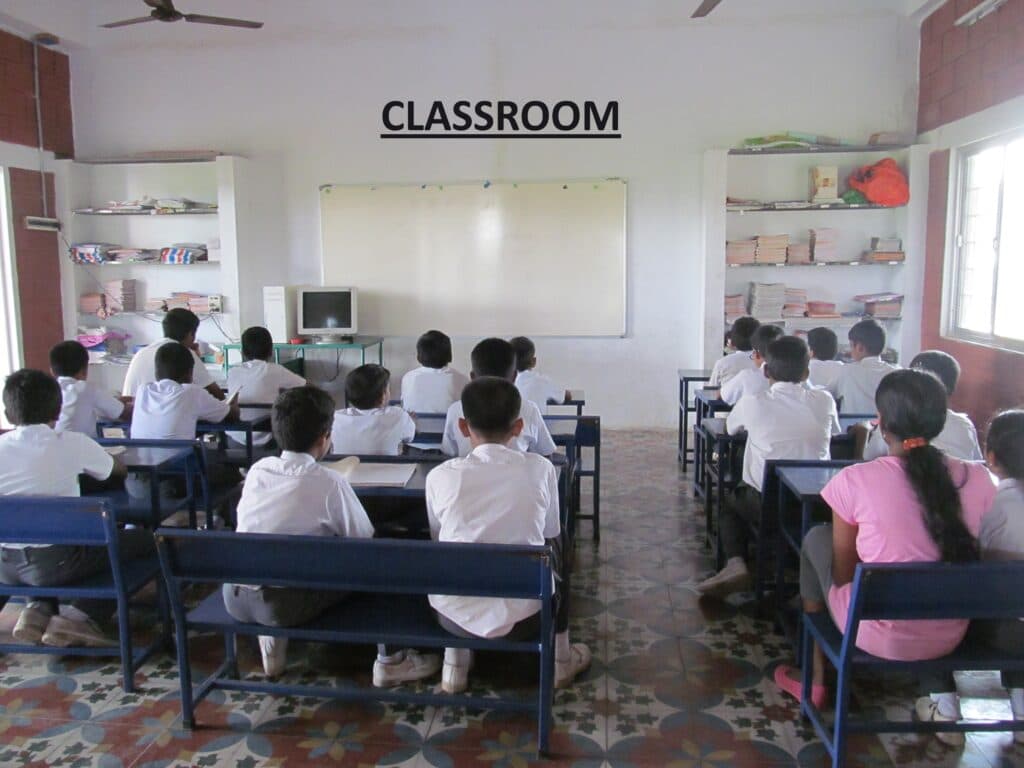 Classroom Expression
The Foundation
Why We Take English Seriously
English builds more than marks. It builds capabilities that matter for life.
Confidence
To speak up in class and in public
Clarity
In thinking, because language shapes thinking
CBSE Readiness
Where strong reading and writing matter
Higher Education
Where English becomes the main working language
Professional Skills
That help students later in life
This is why we invest effort into English communication from the foundational years itself. Strong communication becomes a serious advantage during Class 10 and 12 board years, and also during competitive exam preparation and future admissions.
Our System
The Aurochild English System
We follow a structured approach built around three connected programs that run across the school.
Program One
English Immersion Culture
English is the primary language of communication across the school day between students, teachers, and staff, except during other language classes.
Program Two
Reading and Knowledge Literacy
Spoken English improves faster when students read regularly. We build reading habits as a school culture, not as an occasional activity.
Program Three
Oracy and Public Speaking
Students learn confidence by practising in real settings through structured speaking opportunities.
“Strong English communication is not built through one class a day. It is built through culture, consistency, and daily practice — from the earliest years through senior secondary.”
The Aurochild Approach
Progressive Development
Building English from Foundation to Senior Secondary
English capability grows systematically across grade levels, with age-appropriate focus at each stage.
Foundation Years
Building early confidence through phonics, vocabulary, and structured exposure.
- Phonics-based early reading readiness
- Flash cards and visual prompts to strengthen recognition
- Vocabulary building through daily word use
- Storytelling, rhyme, and structured speaking practice
- Early reading from carefully selected books
- Guided sentence formation through confident speaking
Primary and Middle School
Deepening English into a complete communication skill with reading, writing, and speaking.
- Reading comprehension and meaning-based learning
- Vocabulary training linked to lessons and real usage
- Writing that improves structure, clarity, and grammar
- Speaking routines that help express ideas confidently
- Presentation tasks that develop communication discipline
- Library-supported reading habits
Secondary and Senior Secondary
Supporting both board performance and life beyond school with advanced skills.
- Structured writing for CBSE answers and long-form responses
- Reading comprehension and critical interpretation
- Spoken communication for presentations and discussions
- Academic vocabulary supporting Science, Commerce, Humanities
- Interview readiness and formal communication habits
How We Build and Track
Vocabulary Training and Progress Monitoring
We combine habit-based vocabulary development with systematic progress tracking.
Vocabulary Training That Actually Works
- 1Word learning from books, lessons, and real classroom usage
- 2Simple usage practice through speaking and writing
- 3Reinforcement across weeks so words stay, not disappear after a test
- 4Encouraging students to use new words naturally, not artificially
How We Monitor Progress
- 1Speaking confidence and participation
- 2Pronunciation improvement and clarity of expression
- 3Reading level progression over time
- 4Comprehension and interpretation, not just reading speed
- 5Writing structure, vocabulary use, grammar, and clarity
- 6Consistency of English use in daily school communication
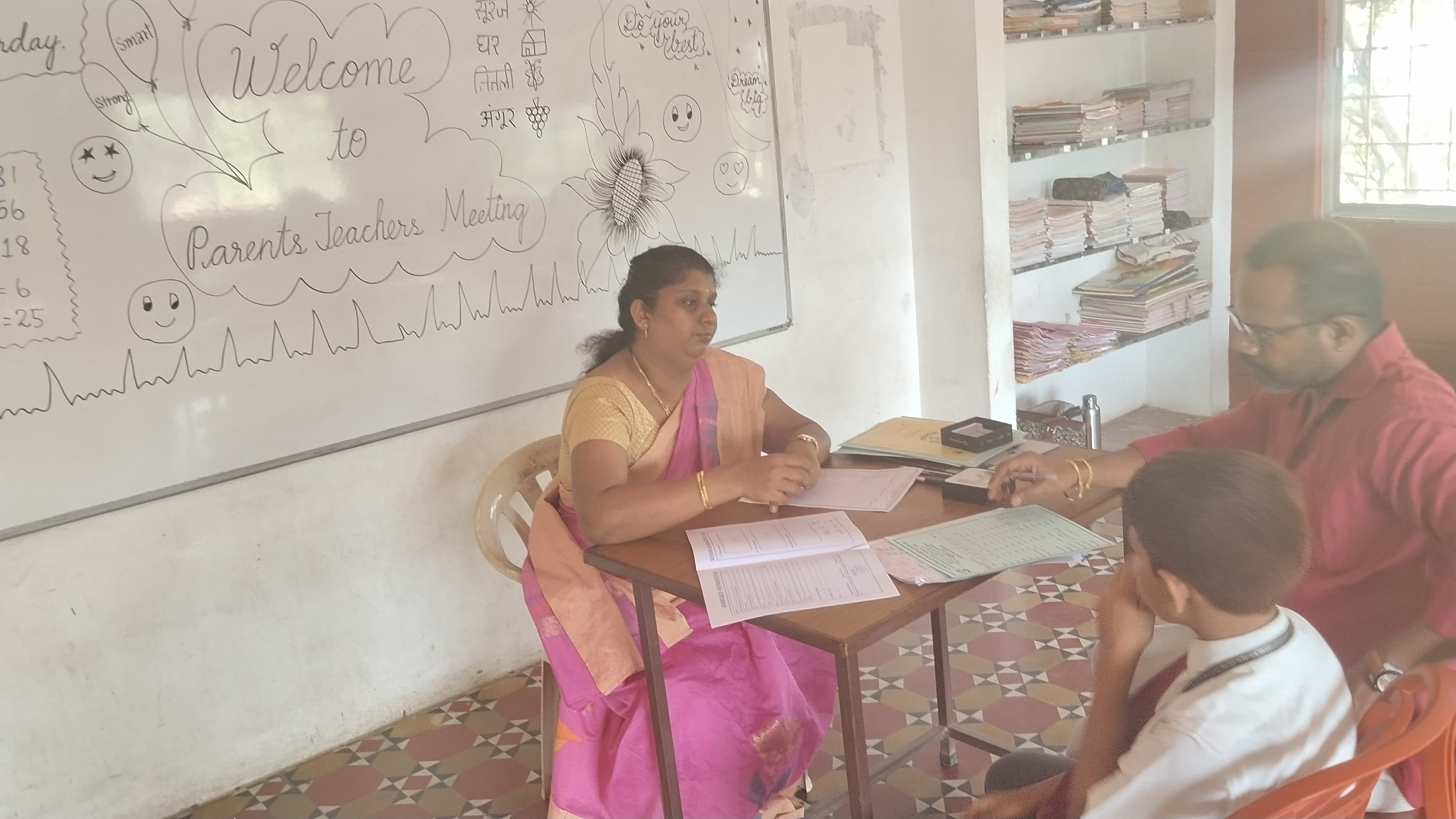
Reading culture built through structured library routines and daily practice
Observable Growth
How Parents See Progress
Parents commonly notice changes that reflect developing English communication skills.
Increased confidence to speak
More comfort in speaking English at home and outside, with reduced fear of public speaking or answering in class.
Stronger reading habits
Visible interest in books and a growing reading culture at home, paired with better comprehension and vocabulary use.
Clearer sentence formation
Better vocabulary usage and sentence structure
Better writing structure
Fewer basic errors and improved clarity over time
More comfort with teachers
Communicating ideas and questions with greater ease
Improved pronunciation
Clearer expression and growing articulation skills
Willingness to express opinions
Growing confidence to share ideas and viewpoints
Daily English use
Natural integration of English into everyday communication
Explore Further
Related Pathways
Learn more about how we support student development across different areas.
Take the Next Step
We invite you to explore what Aurochild can offer your child. Connect with us to learn more or schedule a visit to experience our campus firsthand.