
Science and Innovation at Aurochild
At Aurochild, science education is built on curiosity, clarity, and disciplined thinking.
We believe science should be understood, observed, and experienced - not memorised without meaning. Our focus is on helping students develop a strong scientific foundation, practical understanding, and the ability to think logically and independently.
Innovation begins with asking the right questions and learning how to explore answers thoughtfully. Through systematic learning and hands-on practice, we prepare students for both examinations and lifelong scientific thinking.
A comprehensive science program that develops scientific thinking, practical skills, and curiosity.
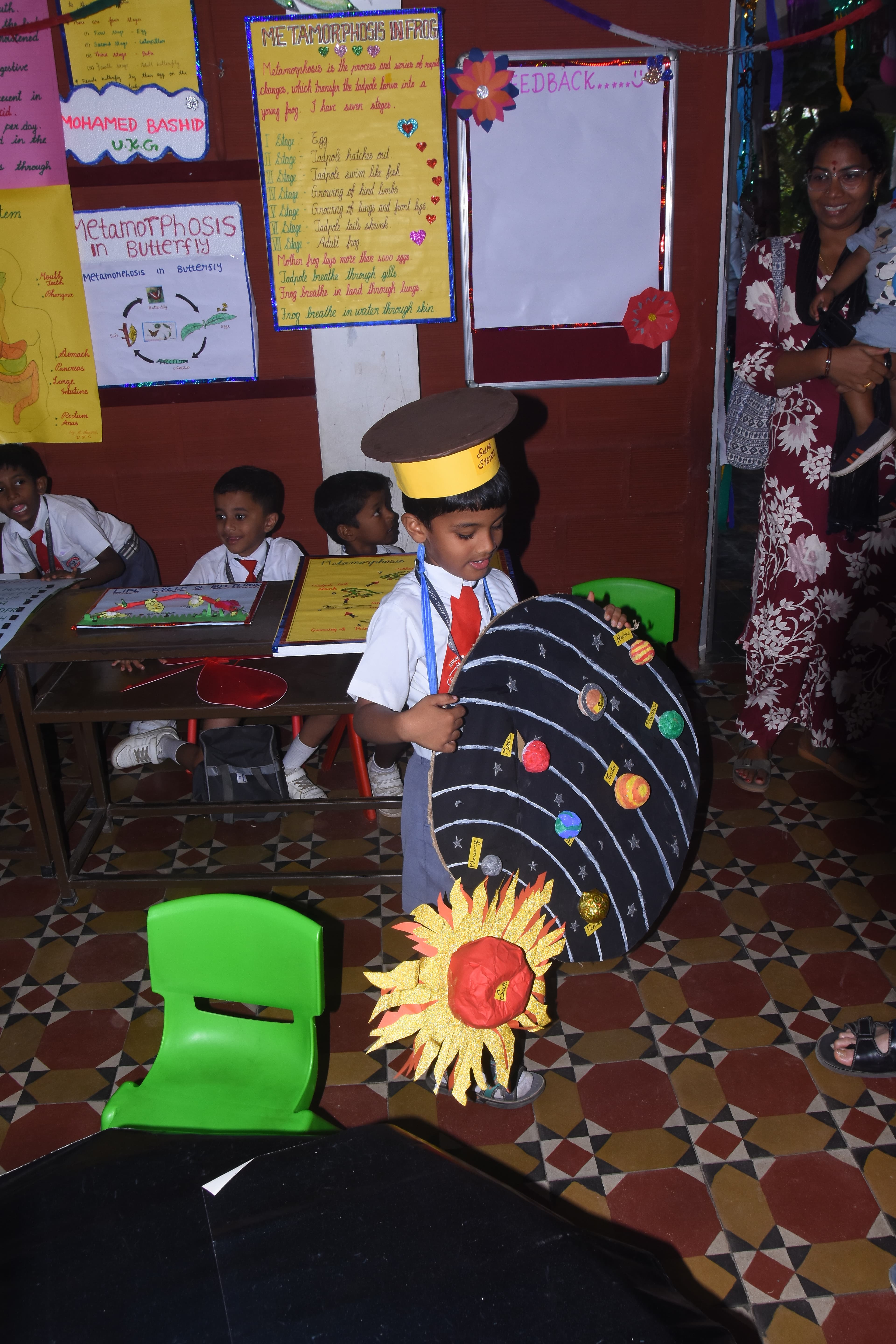 AuroSpark Exhibition
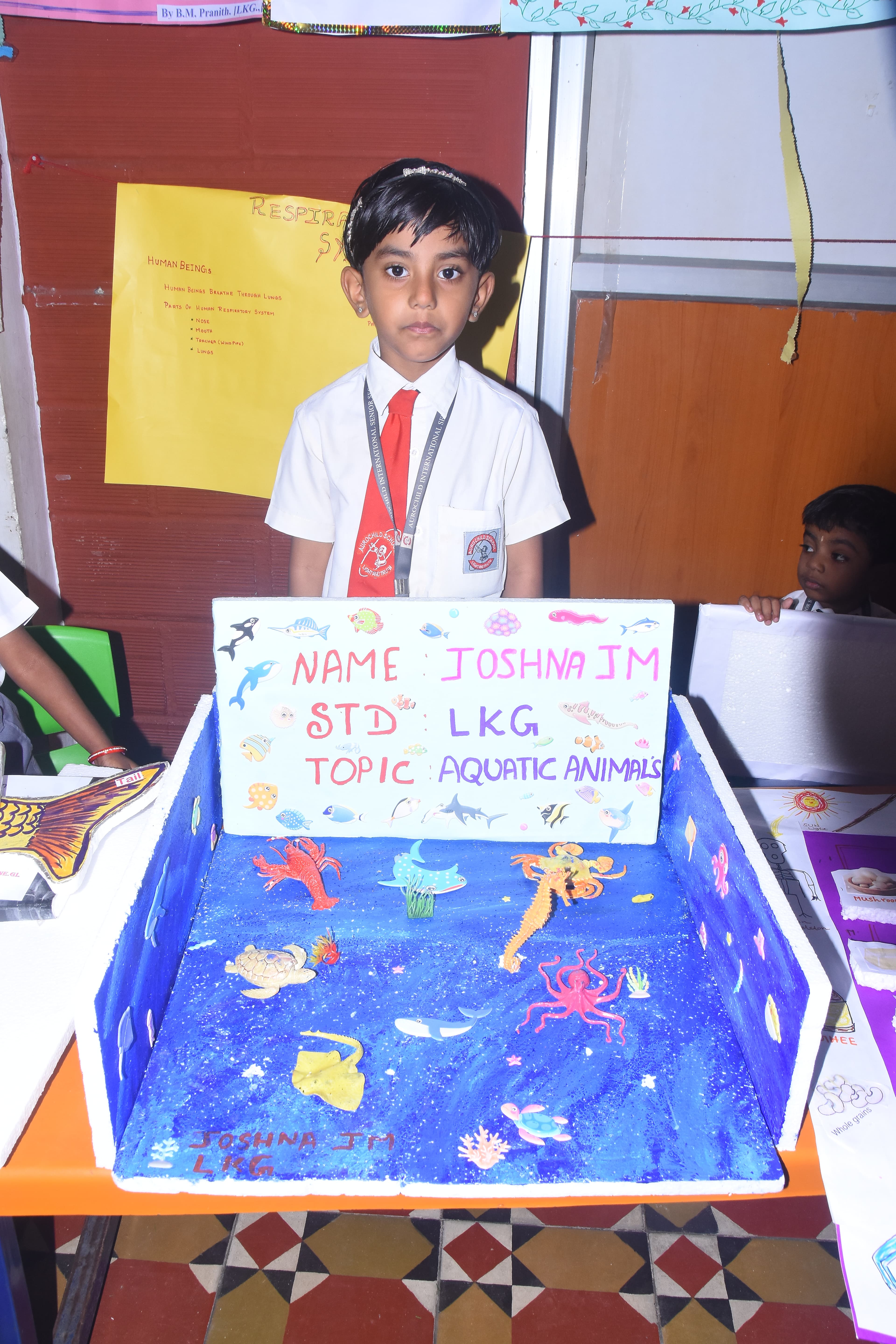 Student Project Display
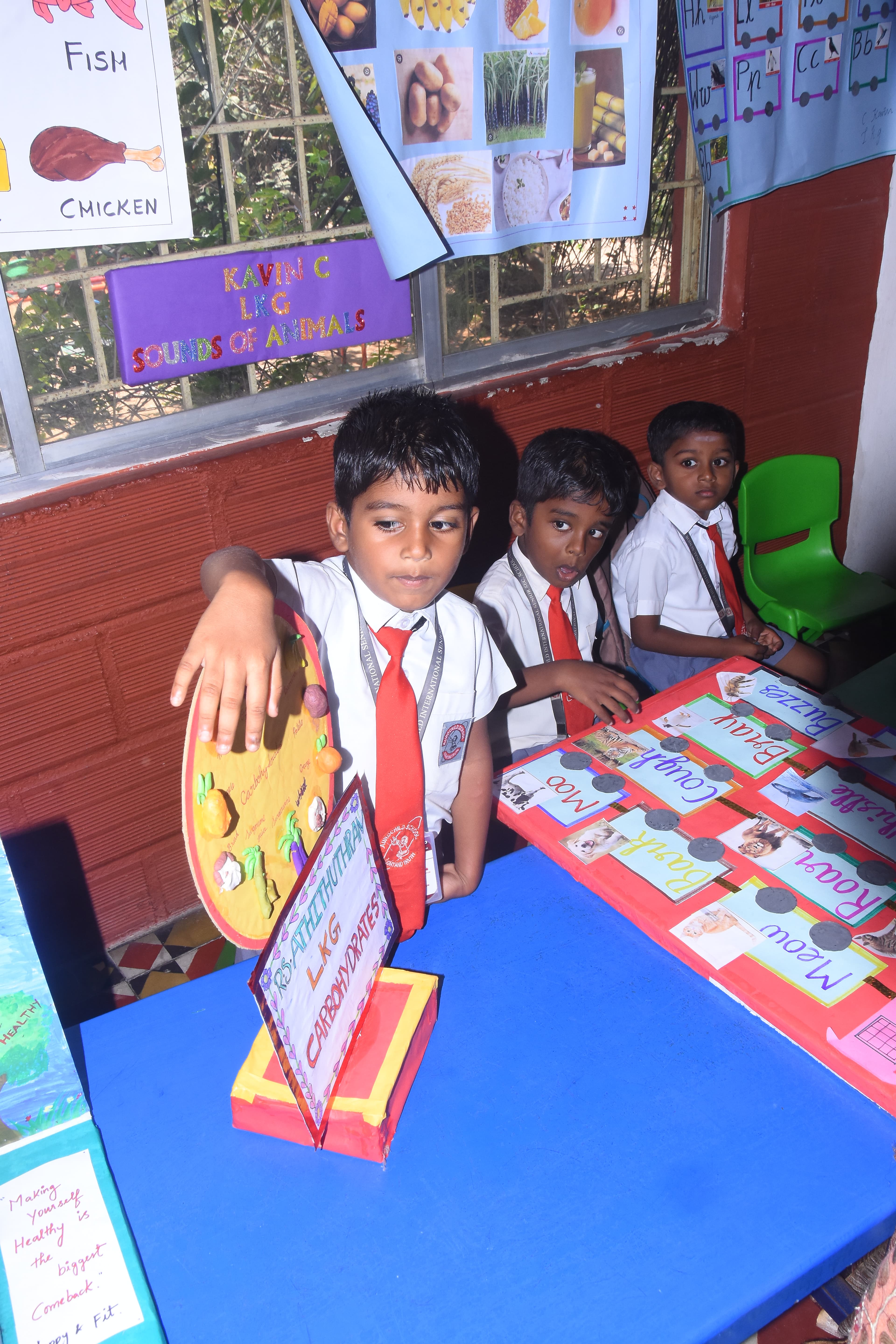 Science Fair
Foundation
Our Approach to Science Education
Learning That Builds Understanding
Science at Aurochild follows the CBSE curriculum closely, while placing strong emphasis on concept clarity and practical application. Students are encouraged to understand why something happens, not just what happens.
Clear Concept Explanation
Scientific concepts are explained clearly with emphasis on understanding the underlying principles.
Real-Life Connections
Theory is linked to real-life examples, making science relevant and meaningful.
Curiosity and Questioning
Students are encouraged to ask questions and explore answers through guided inquiry.
Logical Thinking
Development of analytical and logical thinking skills through systematic problem-solving.
Gradual Progression
Learning progresses from observation to application, building confidence step by step.
Exam Preparation
Strong preparation for both board examinations and higher studies in science.
Practical Learning
Science Laboratories
From Theory to Practice
Aurochild provides well-maintained science laboratories for Physics, Chemistry, and Biology. Practical sessions are conducted systematically and under supervision, helping students gain confidence and deeper understanding through hands-on experience.
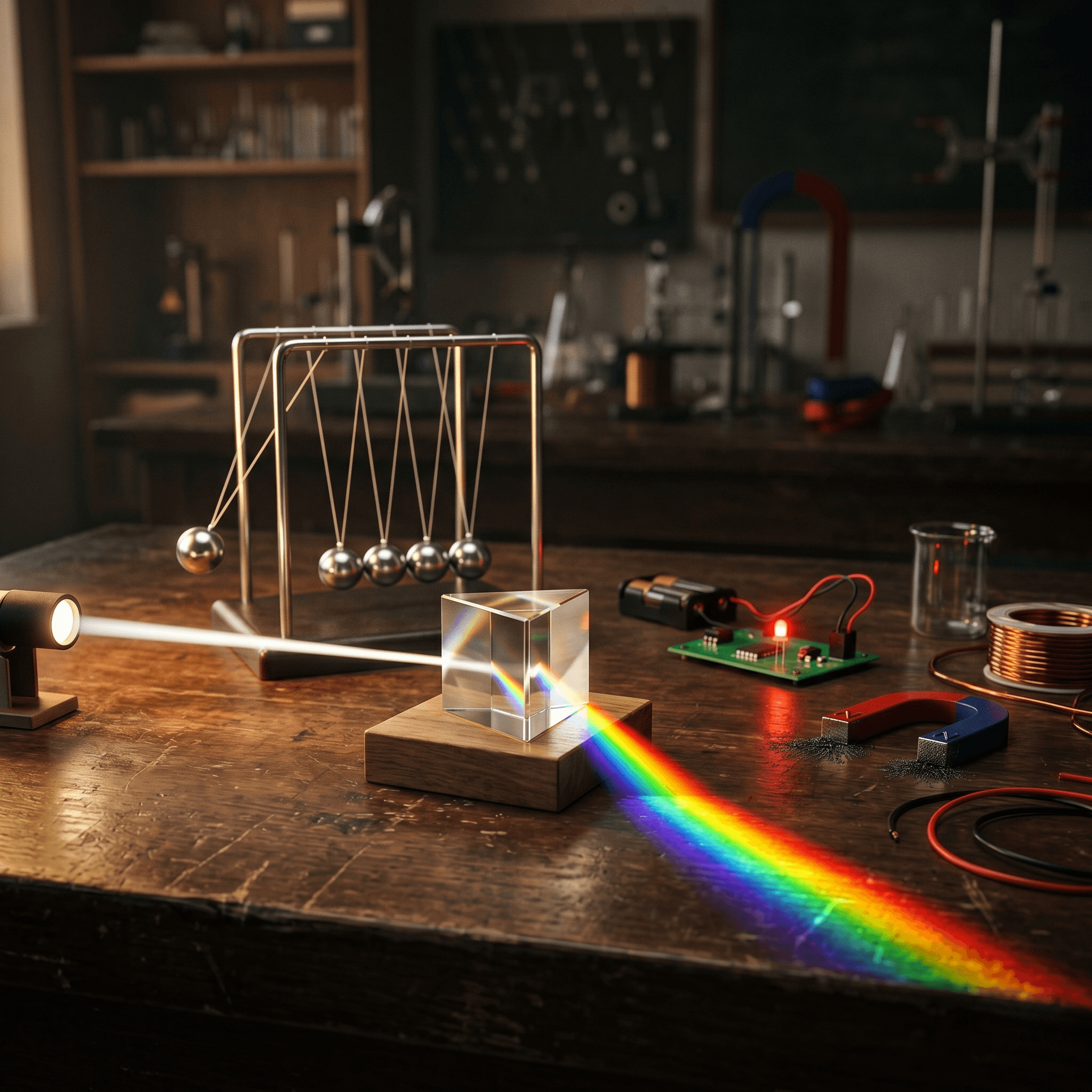
Physics Laboratory
Students conduct experiments related to motion, energy, electricity, and light. Through systematic observation and measurement, they learn to verify theoretical concepts and understand the physical principles that govern our world. The laboratory work emphasizes proper technique, accurate recording, and scientific interpretation of results. Students develop skills in using instruments, analyzing data, and drawing evidence-based conclusions.
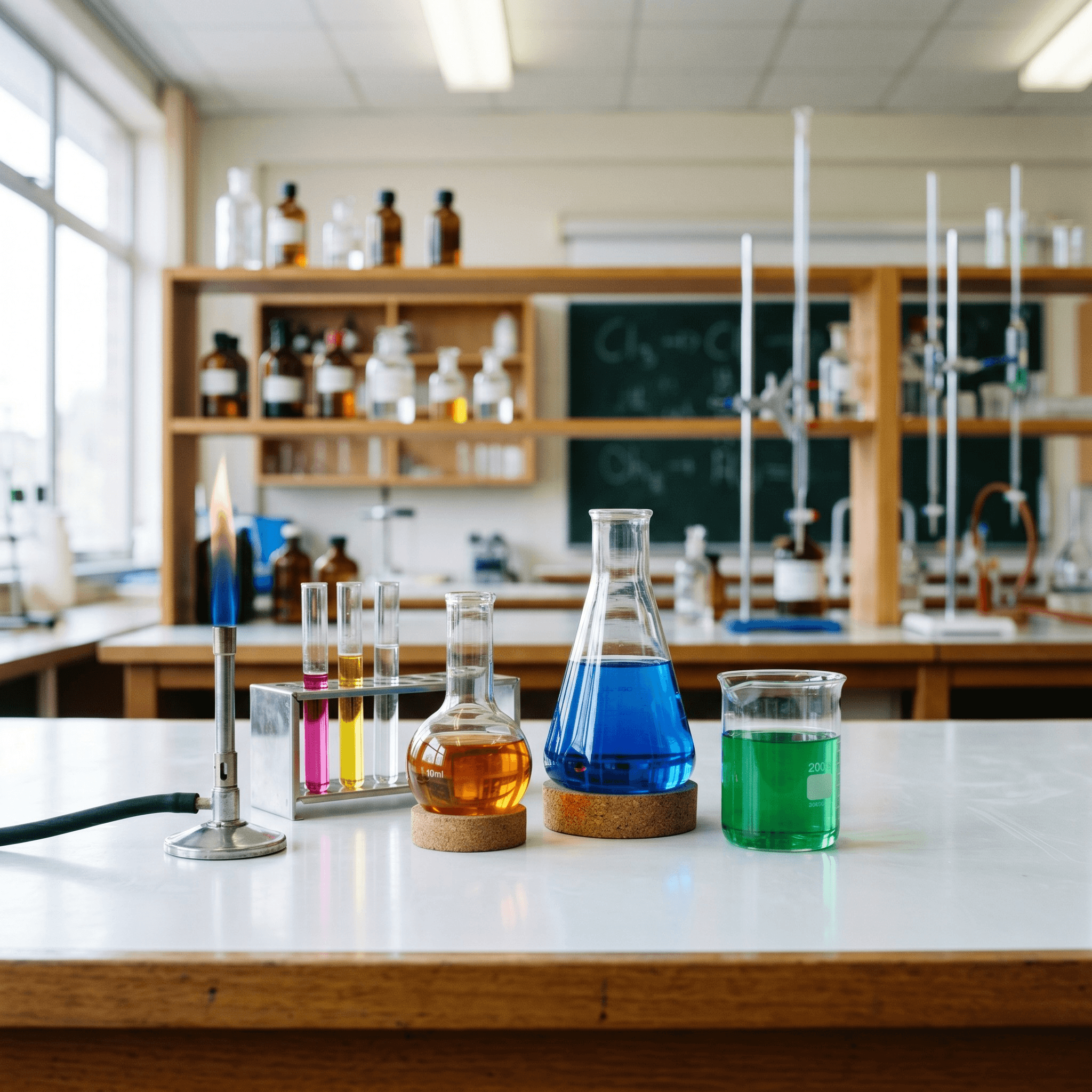
Chemistry Laboratory
Practical sessions involve reactions, materials, and properties of substances. Students learn safe handling of chemicals, proper laboratory procedures, and the art of careful observation. Through guided experiments, they explore chemical reactions, understand molecular behavior, and connect classroom theory with tangible results. The focus is on developing scientific discipline, safety awareness, and analytical thinking.
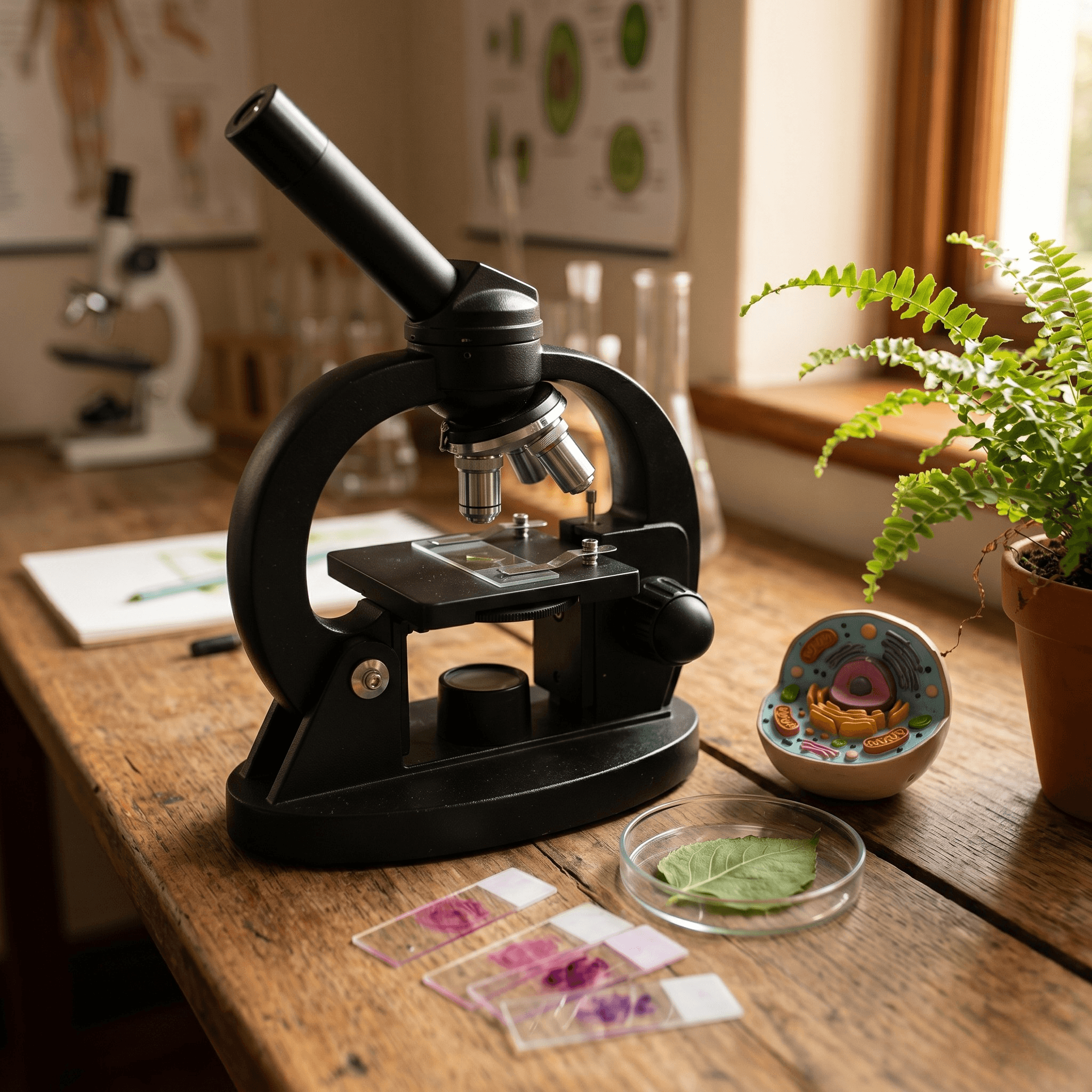
Biology Laboratory
Experiments cover plant life, human systems, and environmental studies. Students use microscopes, prepare specimens, and observe living organisms to understand biological processes. The laboratory work builds appreciation for life sciences while developing skills in observation, classification, and scientific documentation. Students learn to connect biological concepts with the natural world around them.
Laboratory work prepares students well for board practical examinations while instilling proper scientific discipline and safety practices. Students learn that science is not just about reading, but about doing, observing, and understanding.
Skills
Developing Scientific Skills
Thinking Like a Scientist
Beyond syllabus content, students are guided to develop scientific habits of mind. These skills support academic success across subjects and prepare students for higher-level scientific thinking.
Scientific Method
Building Systematic Thinking
- Observe carefully and ask relevant questions
- Apply logic and reasoning to problems
- Form hypotheses and test them systematically
- Analyse results and draw conclusions
- Explain concepts clearly in their own words
- Approach problems methodically and patiently
These thinking skills become tools students carry into all areas of learning, helping them become independent learners and critical thinkers.
Application
Project Work and Exploratory Learning
Learning Through Application
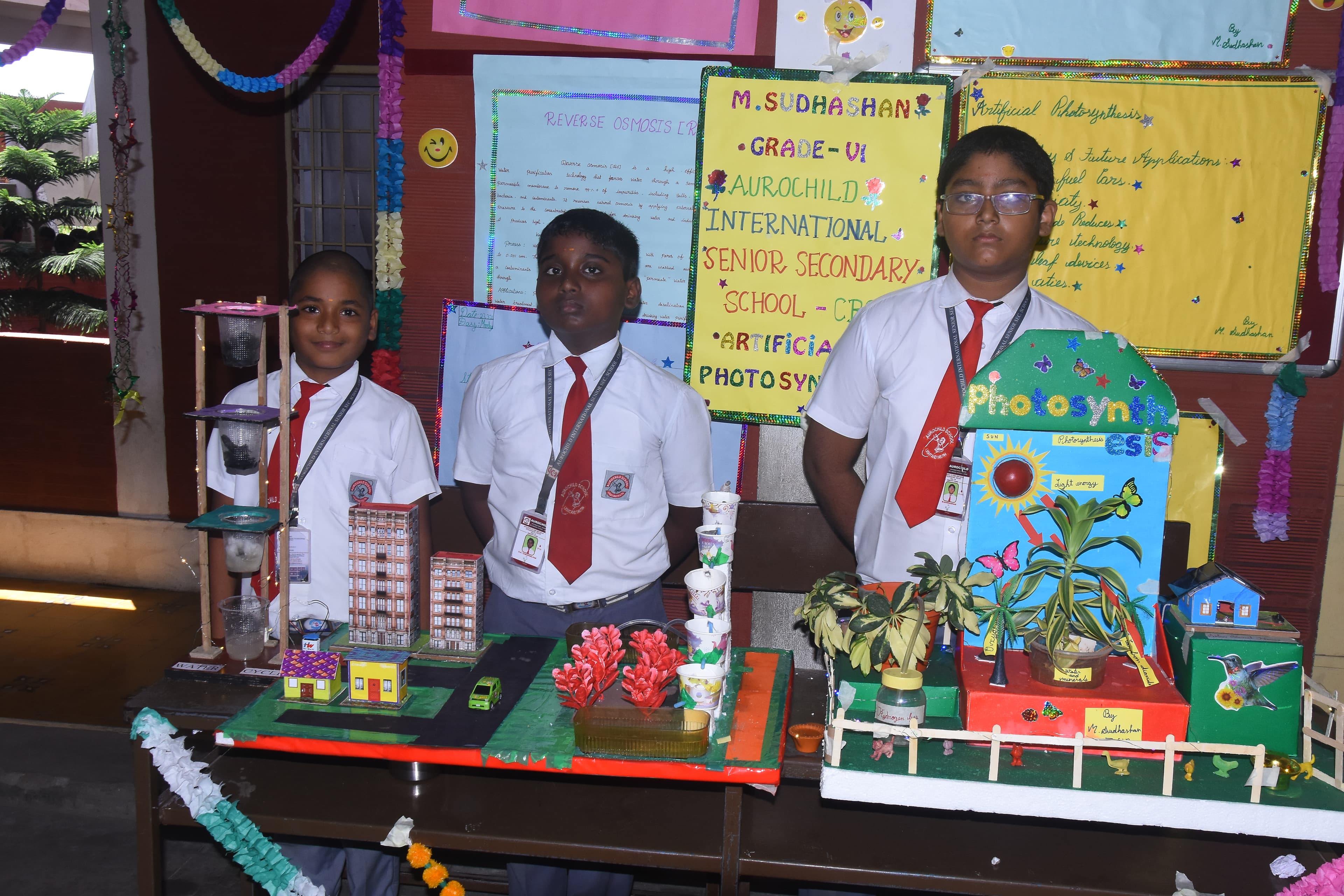
Project-based learning helps students explore scientific ideas independently under teacher guidance. This builds confidence, responsibility, and communication skills while deepening understanding.
Project Activities
Independent and Collaborative Work
- Individual and group science projects
- Model-making and concept demonstrations
- Environmental and social science topics
- Research using books and guided resources
- Presentation of findings to peers and teachers
- Documentation and scientific reporting
Through project work, students learn that science is not just about getting the right answer, but about the process of exploration, experimentation, and discovery.
Engagement
Science Exhibitions and Activities
Encouraging Curiosity and Creativity
Students are encouraged to participate in science-related activities that make learning engaging and help them see science as relevant and exciting.
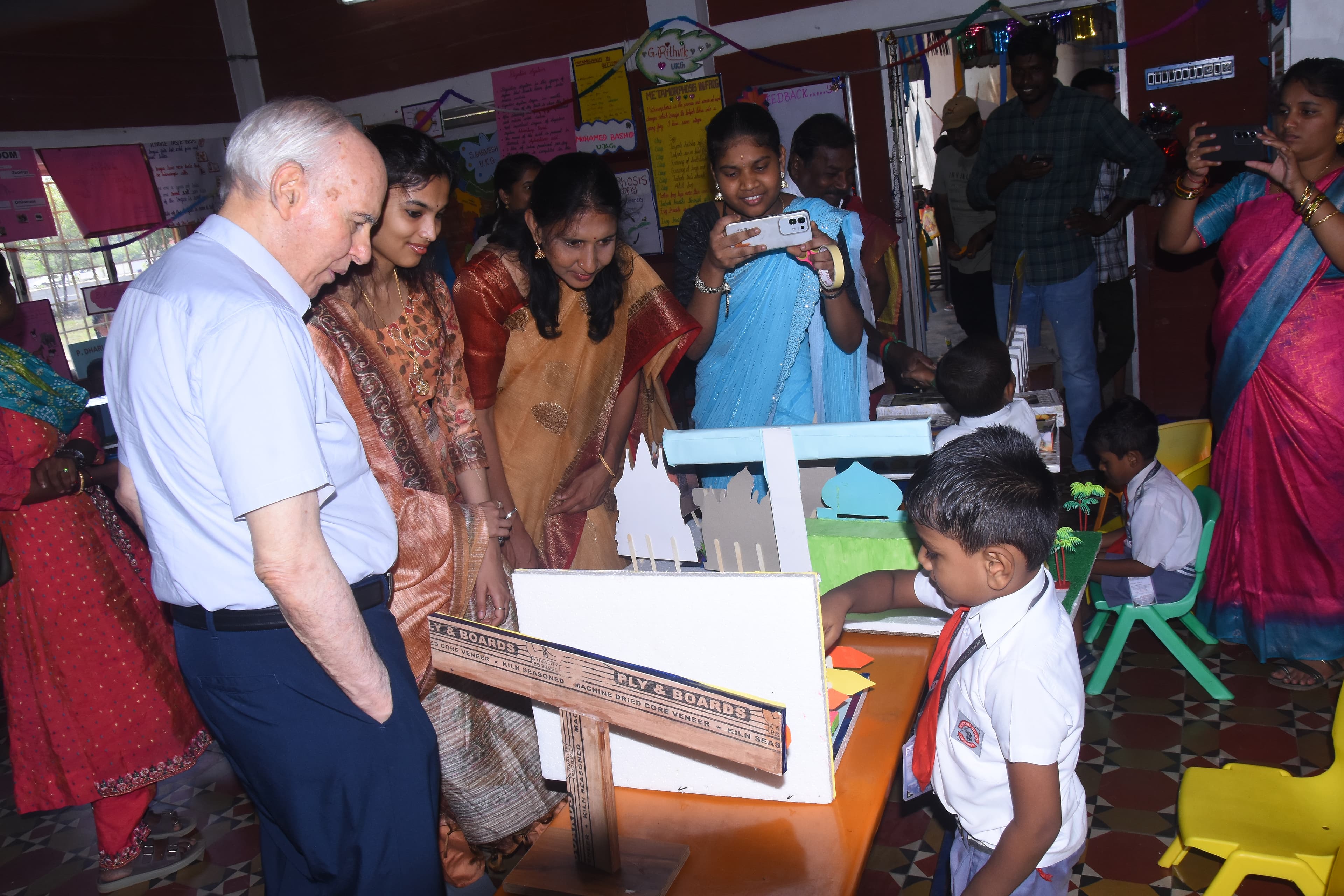
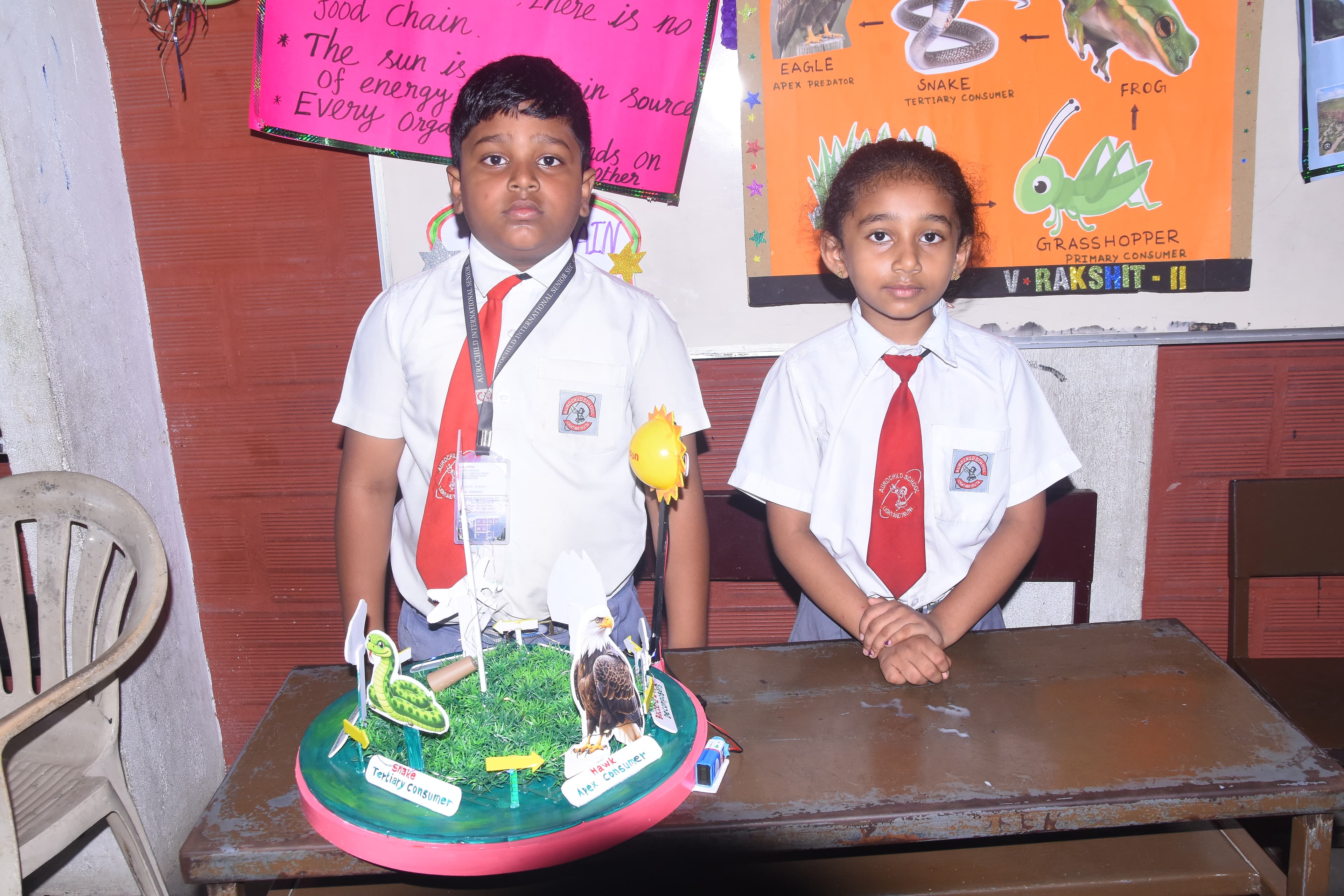
Science Exhibitions
School-level and inter-school science exhibitions where students showcase projects and models.
Science Days
Observance of science-related days with special activities and demonstrations.
Awareness Programs
Programs on health, environment, and sustainability connecting science to real issues.
Interactive Demonstrations
Live demonstrations and displays that bring scientific concepts to life.
Group Activities
Collaborative science activities that encourage teamwork and shared learning.
Environmental Projects
Hands-on projects focused on environmental awareness and sustainability.
Such activities help students see science as relevant and exciting, not just a subject to be studied but a way of understanding the world.
Excellence
Academic Enrichment and Competitions
Supporting Interested Students
Students with interest and aptitude in science receive additional academic support to help them perform confidently in assessments and competitions.
- Science Olympiad preparation and guidance
- Advanced problem-solving practice sessions
- Concept reinforcement for deeper understanding
- Exposure to higher-level thinking questions
- Individual attention for interested students
- Resources and support for competitive exams
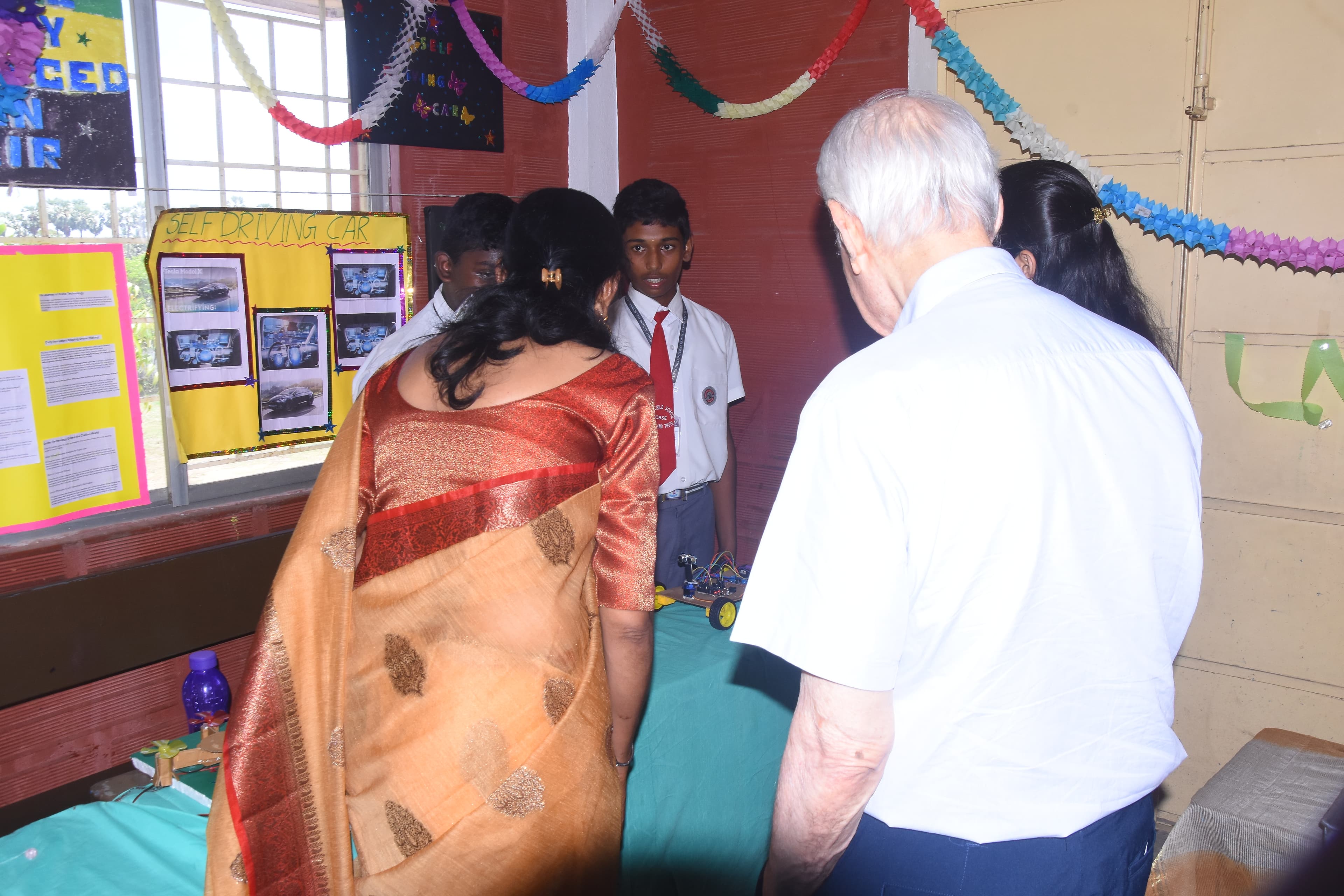
Relevance
Connecting Science to Daily Life
Learning That Matters
Students are guided to recognise science in everyday life. Science becomes meaningful when connected to real-world experience and practical understanding.
Natural Phenomena
Understanding natural phenomena around them
Health and Hygiene
Awareness of health, hygiene, and safety
Environmental Responsibility
Understanding sustainability and conservation
Resource Awareness
Respect for natural resources and energy
Student Benefits
What Students Experience
Growth Through Science Learning
Through science learning at Aurochild, students gain valuable skills and experiences that support their overall development and prepare them for future studies.
Strong Conceptual Understanding
A deep, lasting grasp of scientific principles — not just facts to recall for exams, but knowledge that connects to how the world works.
Practical Confidence
Comfort and capability in laboratory settings — from handling instruments to conducting experiments and recording results accurately.
Scientific Curiosity
Interest in exploring scientific topics
Analytical Thinking
Logical and systematic problem-solving skills
Academic Readiness
Preparation for higher secondary science studies
Better Performance
Improved results in assessments and exams
Confidence in Science
Science becomes approachable, not intimidating
Collaborative Learning
Working together on projects and experiments
Observable Growth
What Parents Notice
Signs of Scientific Development
Parents often observe positive changes as their children engage with science education. Scientific growth frequently reflects in other areas of learning and daily life.
- Increased interest in science-related discussions
- Ability to explain concepts clearly and confidently
- Confidence during practical exams and lab work
- Logical approach to problem-solving
- Curiosity about how things work
- Responsible and thoughtful thinking
- Better performance in science assessments
- Interest in science-related activities at home
These observable changes reflect the deep impact of quality science education on a child's overall development and approach to learning.
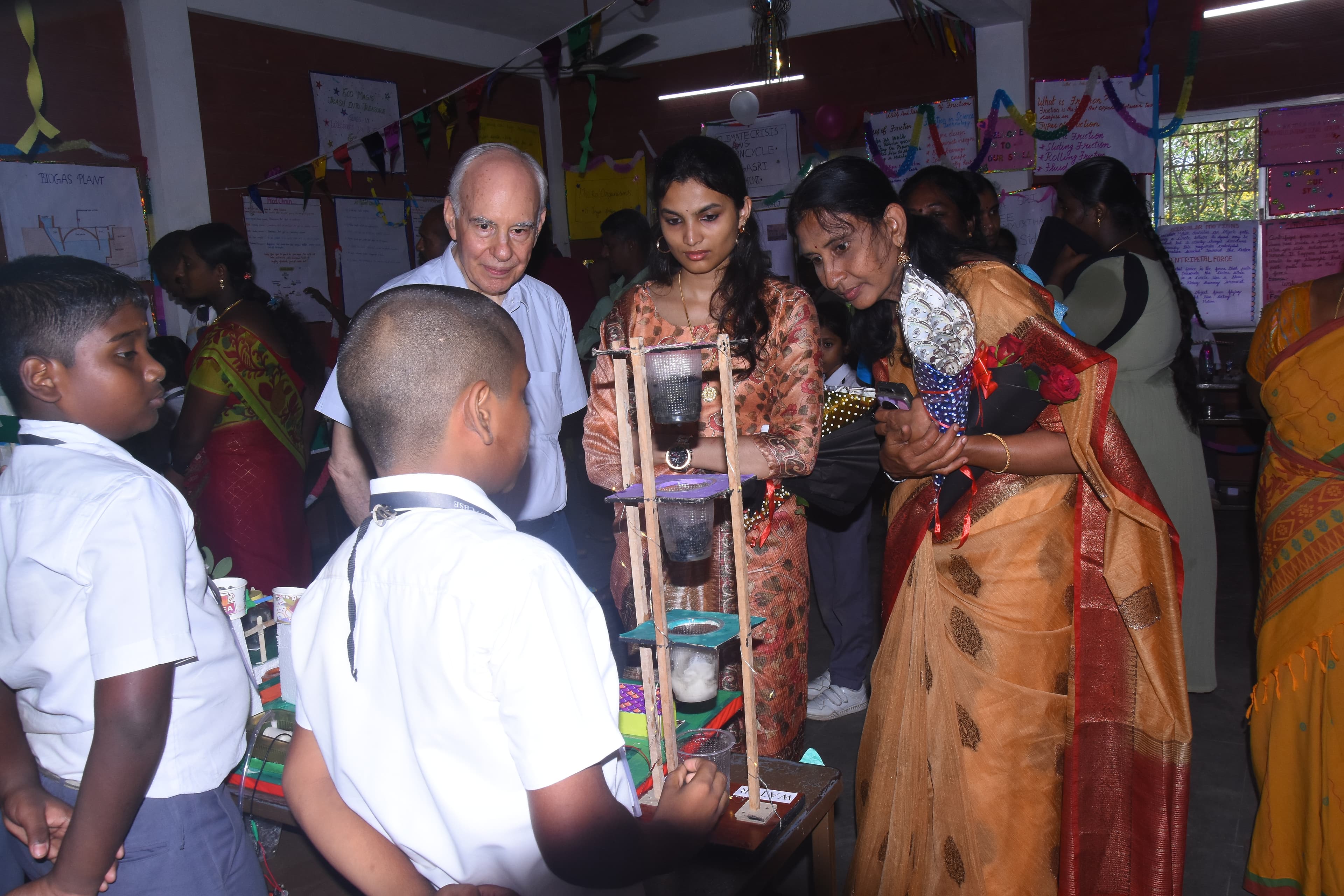
Scientific growth reflects positively in academics and daily life, helping students become more thoughtful, curious, and capable learners.
“At Aurochild, science education builds a strong foundation for careers in engineering, medicine, research, technology, and other scientific fields. By nurturing curiosity, discipline, and understanding, we prepare students to approach the future with confidence and clarity.”
Take the Next Step
We invite you to explore what Aurochild can offer your child. Connect with us to learn more or schedule a visit to experience our campus firsthand.