
Clubs and Student Initiatives at Aurochild
At Aurochild, learning does not stop with textbooks and examinations.
Clubs and student-led initiatives provide students with opportunities to explore interests, develop leadership, and apply learning in practical and meaningful ways. These platforms help students discover strengths, build confidence, and learn to work collaboratively while contributing positively to the school community.
Through structured yet flexible opportunities, students learn responsibility, initiative, and the value of working toward shared goals without academic pressure.
A vibrant ecosystem that nurtures exploration, leadership, and collaboration.

Foundation
Purpose of Clubs and Initiatives
Exploring Interests, Building Responsibility
Clubs at Aurochild are designed to complement academics by nurturing curiosity, creativity, discipline, and initiative. Through participation, students learn to explore interests beyond the curriculum while developing essential life skills.
Explore Beyond Curriculum
Discover and pursue interests that extend beyond regular academic subjects.
Take Responsibility
Learn to take ownership of shared goals and contribute meaningfully to group efforts.
Develop Leadership
Build leadership and teamwork skills through active participation and collaboration.
Apply Classroom Learning
Connect theoretical knowledge to real-life contexts through practical activities.
Communicate Confidently
Develop the ability to express ideas clearly and present work effectively.
Build Consistency
Learn the value of regular commitment and sustained effort over time.
Clubs encourage growth without academic pressure, providing a safe space for exploration and personal development.
Structure
How Clubs Function at Aurochild
Structured, Guided, and Student-Centric
Clubs operate with clear guidance from faculty mentors while encouraging student ownership. This balance ensures both freedom and responsibility, helping students learn to manage activities independently.
How It Works
Club Operations
A structured yet student-led approach to running activities
- Regular club meetings and scheduled activities
- Teacher mentors who guide and supervise
- Student leadership roles within clubs
- Clear objectives and planned activities
- Opportunities to present work and outcomes
- Balance of structure and student autonomy
This structured approach helps students develop organizational skills while maintaining the flexibility to explore their interests creatively.
Variety
Types of Clubs and Initiatives
A Broad Range of Engagement Opportunities
Students may participate in clubs and initiatives across various interest areas. Clubs may evolve based on student interest and school priorities, ensuring relevance and engagement.
STEM & Discovery
Science and Innovation Initiatives
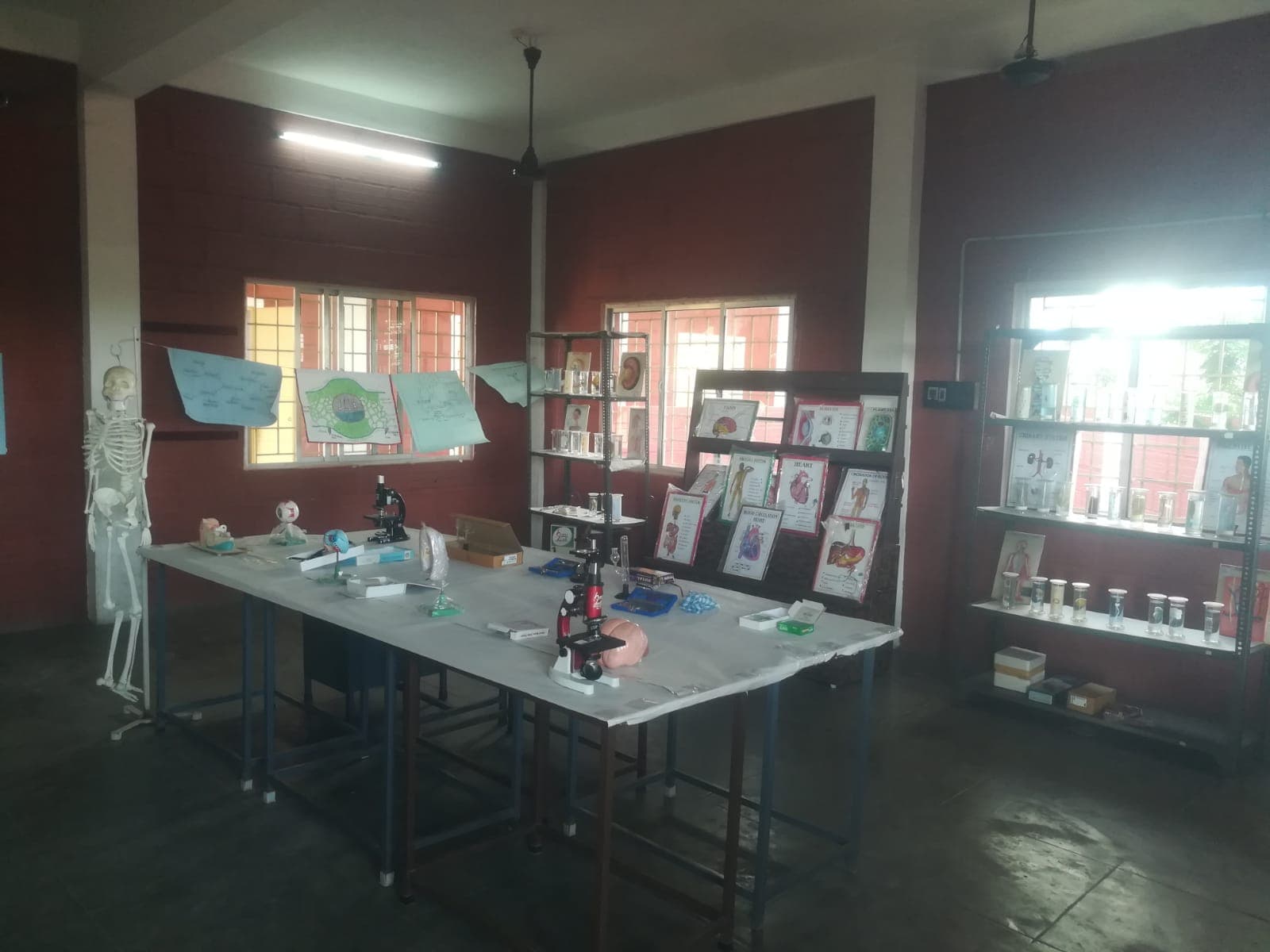
Students engage in hands-on science projects, innovation challenges, and STEM activities. These clubs foster curiosity about the natural world and develop problem-solving skills through experimentation and discovery. Members work on projects ranging from simple experiments to complex research, learning scientific methods and critical thinking along the way.
Nature & Planet
Environmental and Sustainability Groups
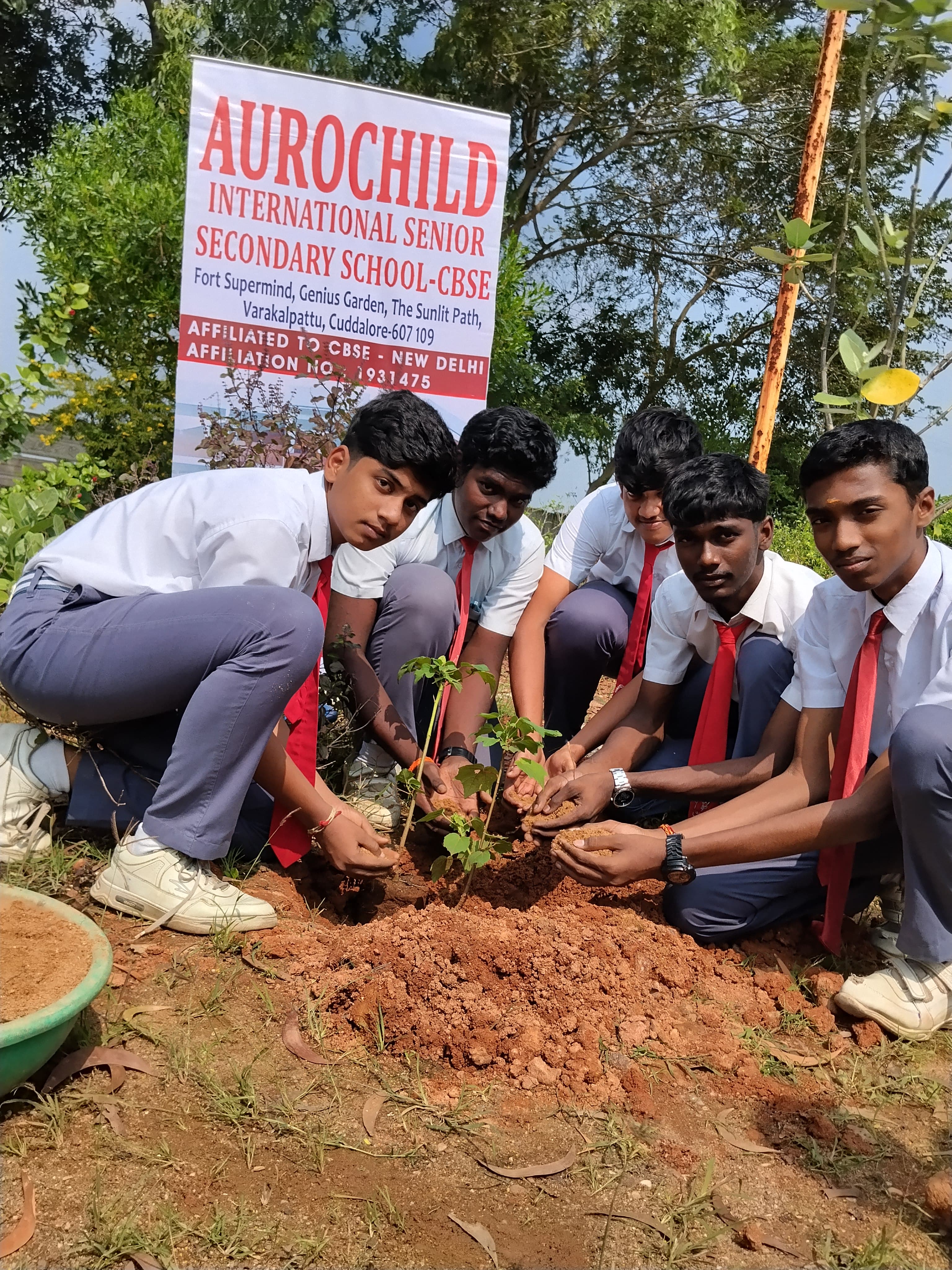
Environmental clubs focus on awareness, conservation, and sustainable practices. Students participate in tree planting, waste management initiatives, and campaigns promoting environmental responsibility. These activities help students understand their role in protecting the environment and develop a sense of stewardship for natural resources.
Words & Ideas
Literary and Language Clubs
Literary clubs provide platforms for reading, writing, debate, and public speaking. Students explore literature, participate in discussions, write creatively, and develop communication skills. These clubs help build confidence in expression and appreciation for language and storytelling across different forms and cultures.
Arts & Expression
Art, Music, and Cultural Initiatives
Creative clubs allow students to explore artistic expression through visual arts, music, dance, and drama. Students work on individual and collaborative projects, participate in performances, and develop their creative abilities. These clubs nurture artistic talent while building confidence and cultural awareness.

Additional clubs include sports and fitness groups, community service initiatives, leadership programs, and hobby-based interest groups, providing something for every student.
Leadership
Student-Led Initiatives
Learning to Take the Lead
Beyond structured clubs, students are encouraged to initiate ideas that contribute to the school or wider community. These initiatives teach planning, coordination, and accountability through real-world experience.
Awareness Programs
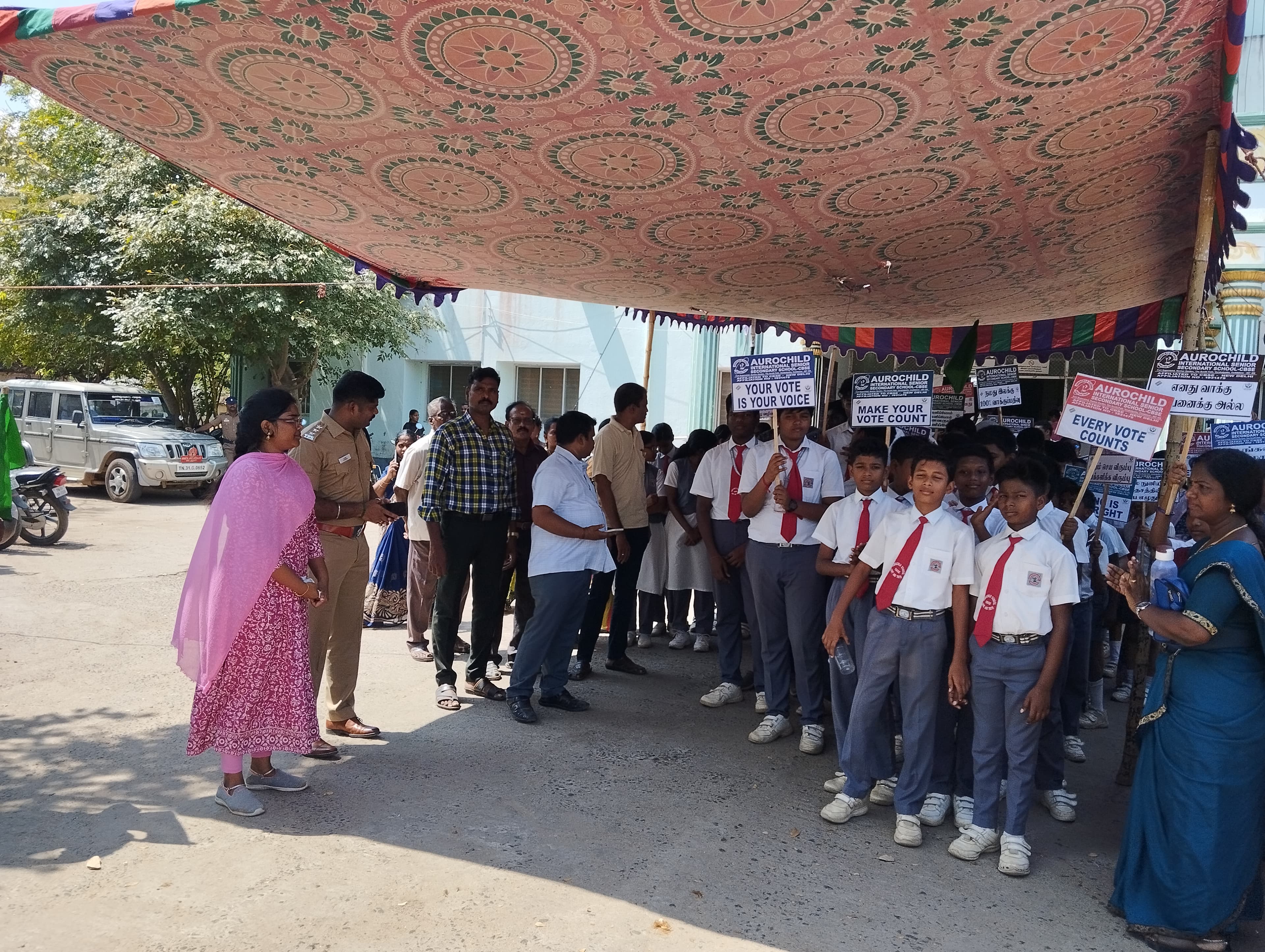
Student-led campaigns on social, environmental, and health-related issues.
School Campaigns
Organized drives and campaigns addressing school and community needs.
Peer Mentoring
Student support programs where older students guide and mentor younger peers.
Cultural Events
Student-organized cultural and educational events for the school community.
Community Service
Outreach activities that connect students with the wider community.
Student Publications
Newsletters, magazines, and digital content created and managed by students.
These initiatives give students real-world experience in project management, teamwork, and making a positive impact.
Skills
Leadership and Teamwork
Learning to Work With Others
Clubs provide a natural environment for leadership development. Students learn essential skills through action, not just instruction, building capabilities that serve them throughout life.
- Plan and organize activities effectively
- Work collaboratively with diverse peers
- Take initiative and follow through on commitments
- Respect differing viewpoints and ideas
- Resolve challenges constructively
- Delegate responsibilities appropriately
- Communicate clearly with team members
- Learn from setbacks and adapt approaches
Leadership is taught through action and experience, helping students develop confidence and capability in guiding others.
Support
Guidance and Mentorship
Support at Every Step
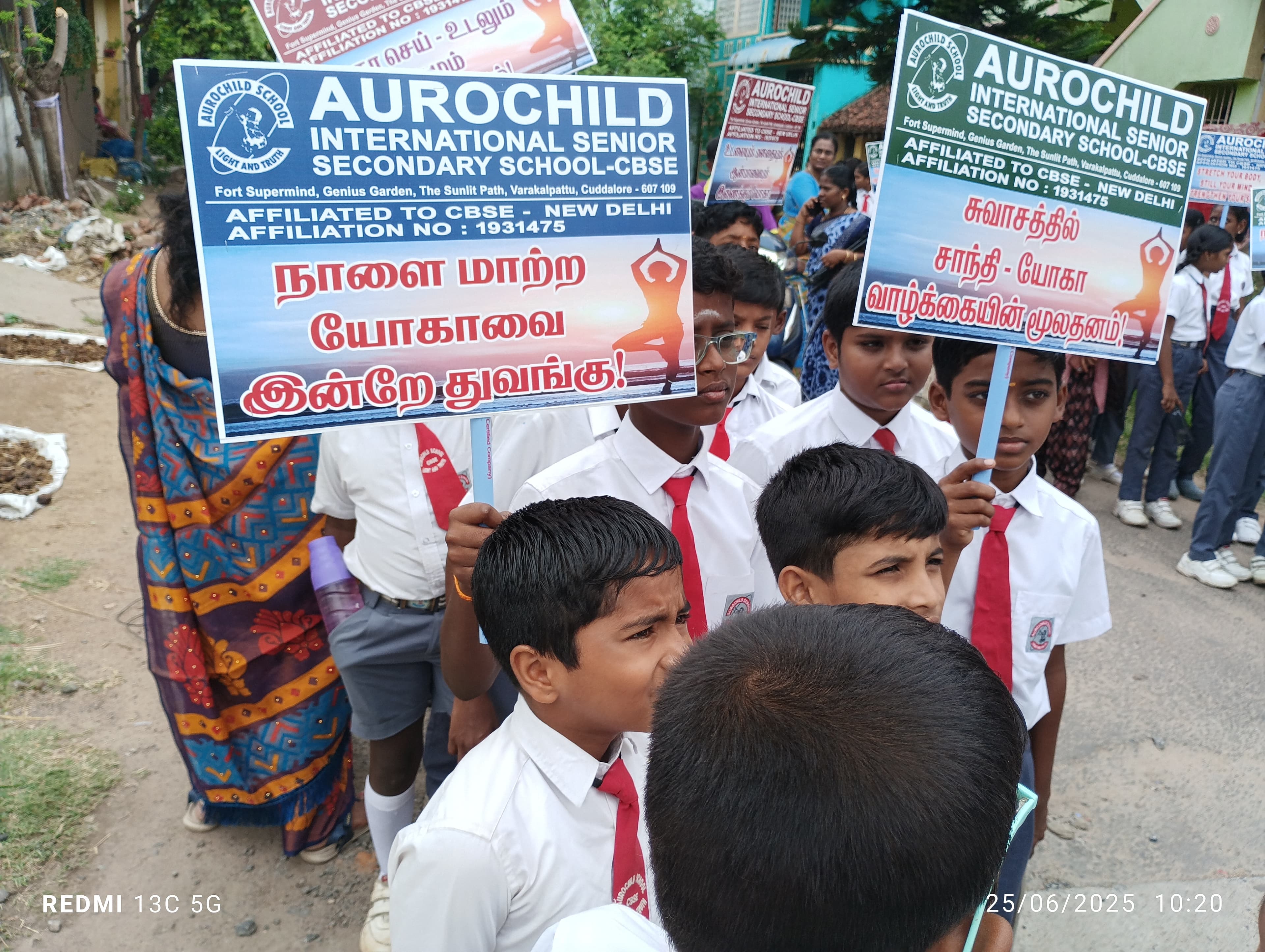
Faculty mentors play an important role in guiding clubs and initiatives. They provide structure and support while allowing students the freedom to lead and learn from experience.
Faculty Role
Mentor Support
How faculty guide and support student clubs
- Help students set realistic and achievable goals
- Maintain discipline and consistency in activities
- Guide reflection on learning outcomes
- Balance academics with extracurricular involvement
- Develop responsible leadership qualities
- Provide feedback and encouragement
This guidance ensures clubs remain purposeful and meaningful, helping students grow responsibly as leaders and team members.
Student Benefits
What Students Gain
Growth Through Club Participation
Through clubs and initiatives, students experience valuable growth that shapes them into well-rounded individuals prepared for future challenges.
Confidence in Expression
Comfort expressing ideas, presenting work, and communicating effectively in diverse settings — a life skill built through practice.
Ownership and Responsibility
A sense of ownership over projects and outcomes that builds accountability, follow-through, and genuine pride in their contributions.
Communication Skills
Improved ability to communicate effectively
Practical Application
Connecting classroom learning to real contexts
Stronger Relationships
Building meaningful peer connections
Social Awareness
Understanding social and environmental issues
Balanced Development
Balance between academics and interests
Personal Growth
Overall development as well-rounded individuals
Civic Responsibility
A sense of duty to community and society
Observable Growth
What Parents Observe
Signs of Development Through Club Participation
Parents often notice positive changes as their children engage with clubs and initiatives. These experiences contribute quietly but significantly to personal growth and character development.
- Increased confidence and independence
- Enthusiasm for school activities and events
- Better communication and teamwork skills
- Initiative and responsibility at home
- Improved time management abilities
- Positive attitude toward learning
- Stronger sense of purpose and direction
- Ability to balance multiple commitments
These positive changes demonstrate how club participation shapes character and prepares students for future responsibilities.

The skills and qualities developed through clubs extend beyond school, positively influencing how students approach challenges and opportunities in all areas of life.
“At Aurochild, clubs and initiatives are not about competition or trophies. They are about participation, exploration, and growth. By providing structured yet flexible opportunities, we help students discover interests, build character, and develop skills that serve them well beyond school.”
Take the Next Step
We invite you to explore what Aurochild can offer your child. Connect with us to learn more or schedule a visit to experience our campus firsthand.